
SAF Series
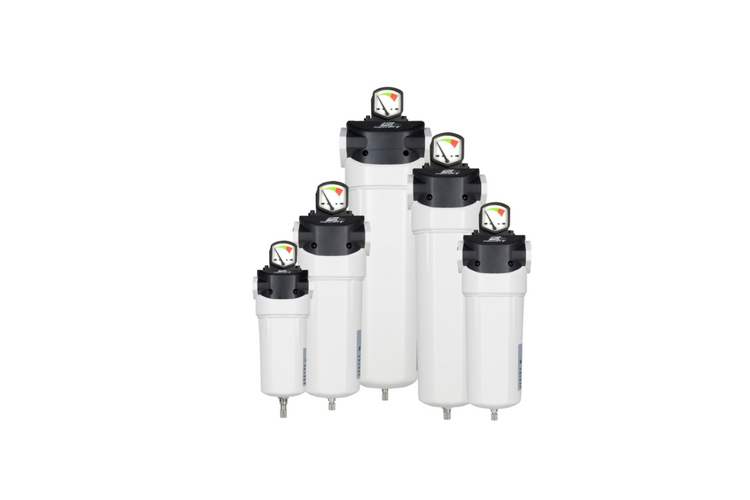
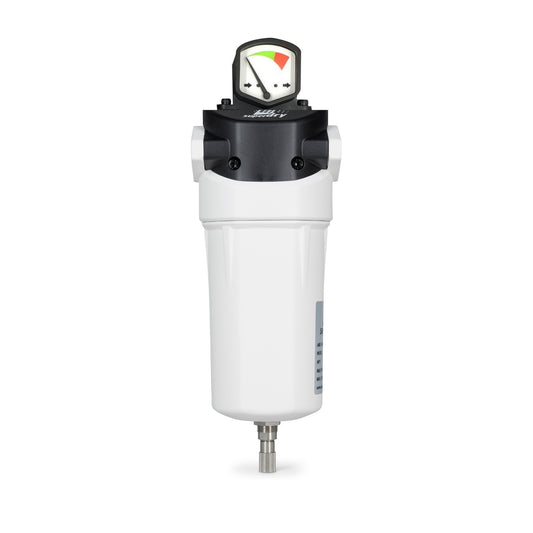
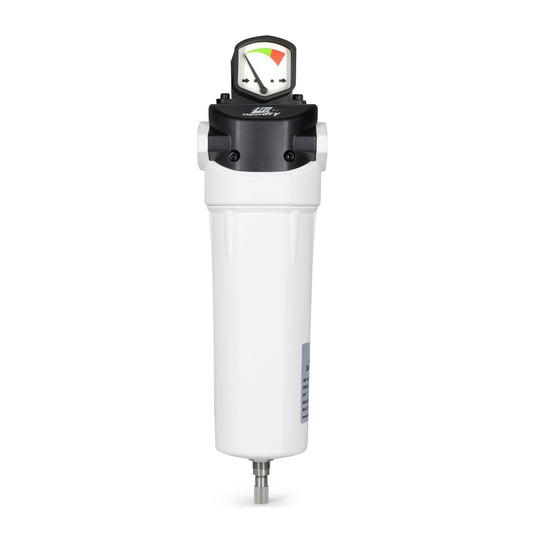
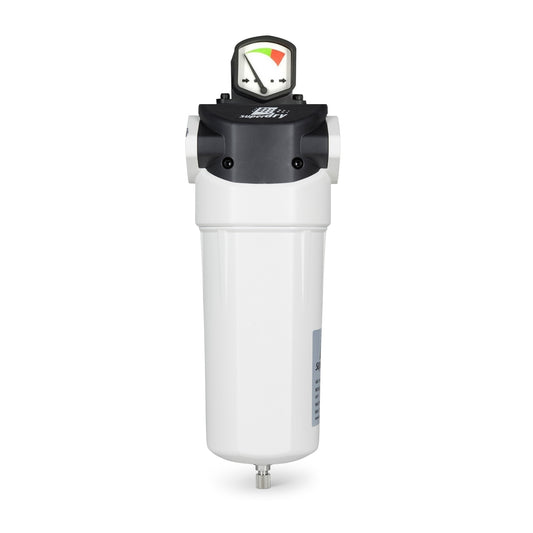
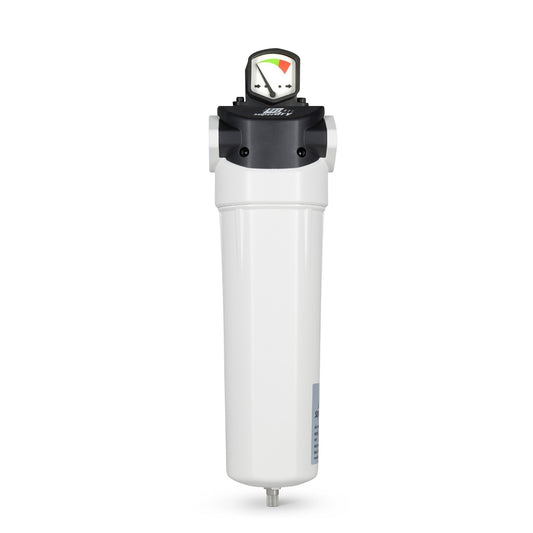
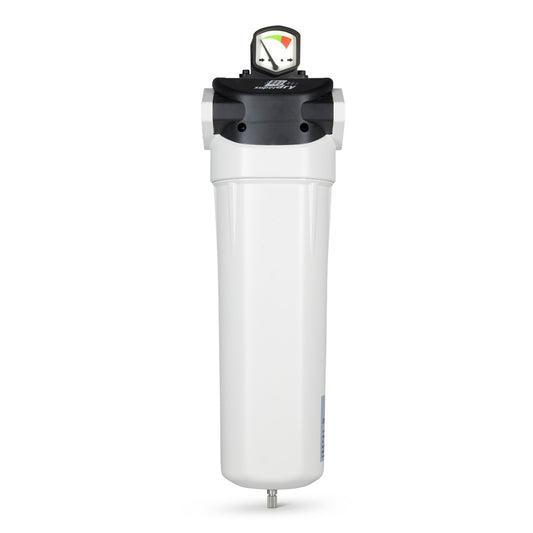
The SAF Series compressed air filters reduce contamination in your air stream to help protect critical processes and valuable equipment. Each microfilter housing comes equipped with an internal float drain and a differential pressure indicator.
-
SAF-45 - 1/2" Air Filter
340-100Regular price $395.00 CADRegular priceUnit price per -
SAF-85 - 3/4" Air Filter
340-110Regular price $495.00 CADRegular priceUnit price per -
SAF-185 - 1" Air Filter
340-120Regular price $665.00 CADRegular priceUnit price per -
SAF-375 - 1 1/2" Air Filter
340-130Regular price $769.00 CADRegular priceUnit price per -
SAF-515 - 2" Air Filter
340-140Regular price $1,197.00 CADRegular priceUnit price per -
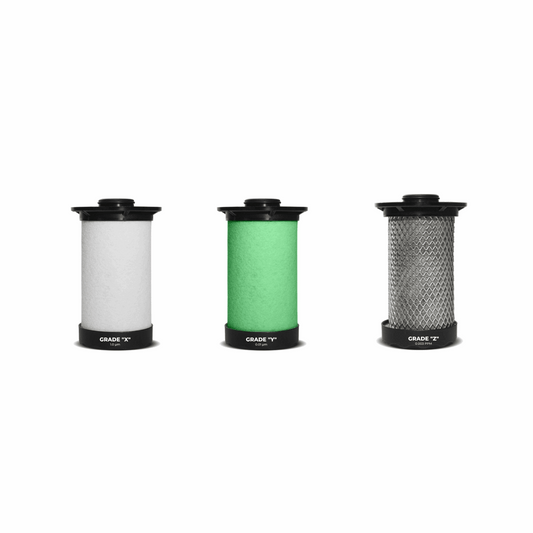
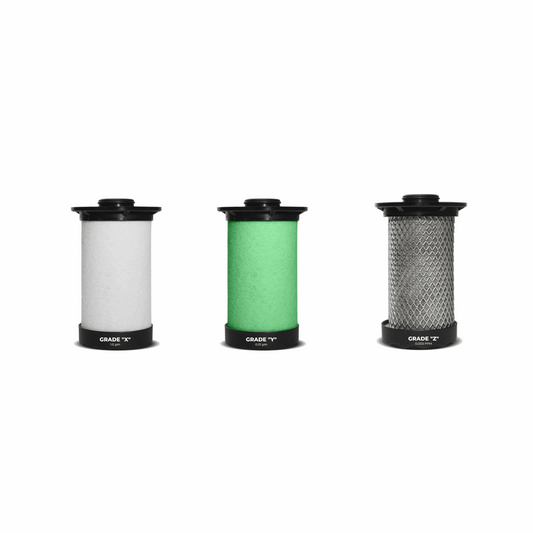
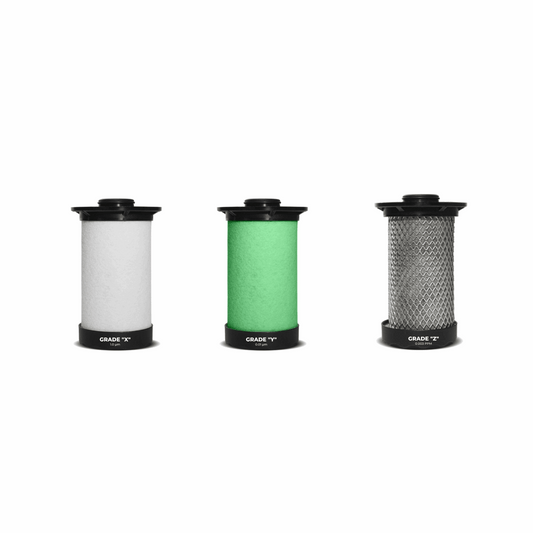
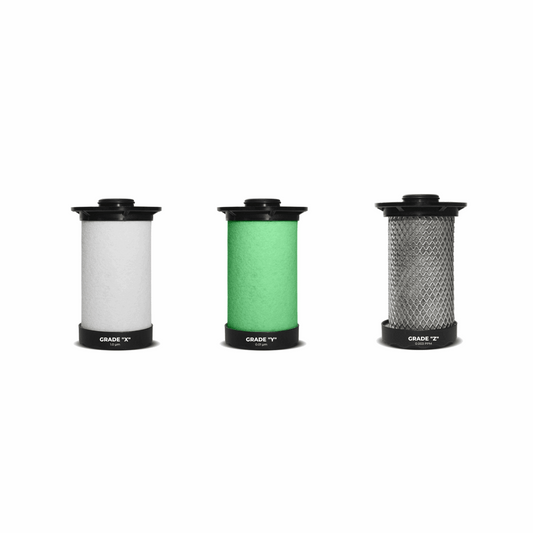
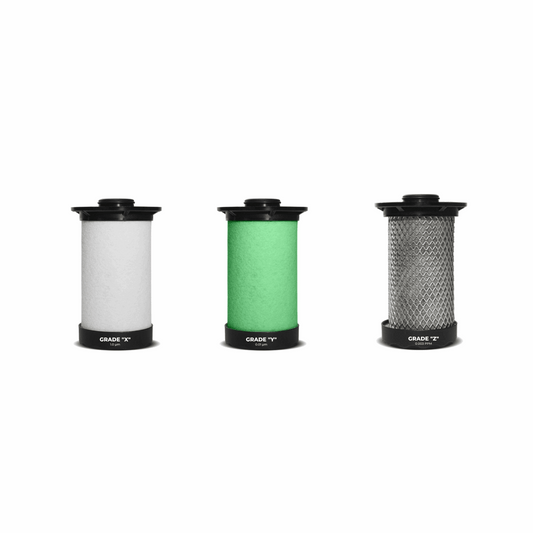
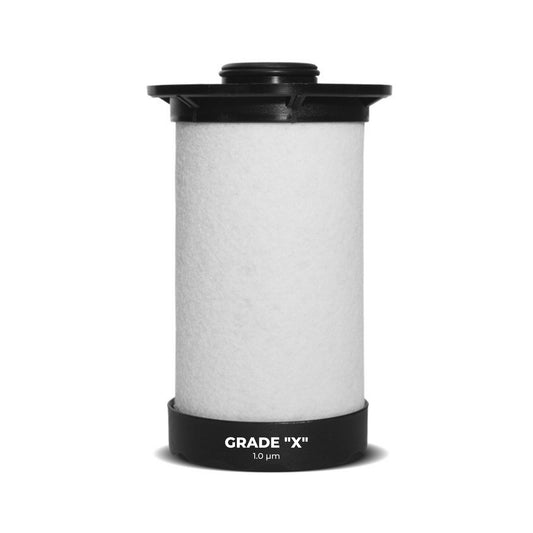
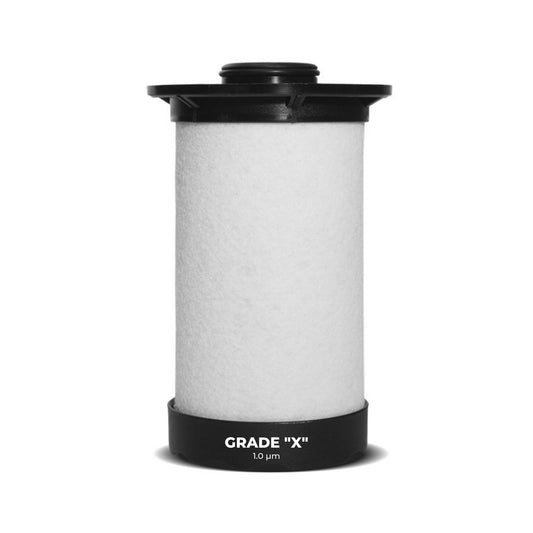
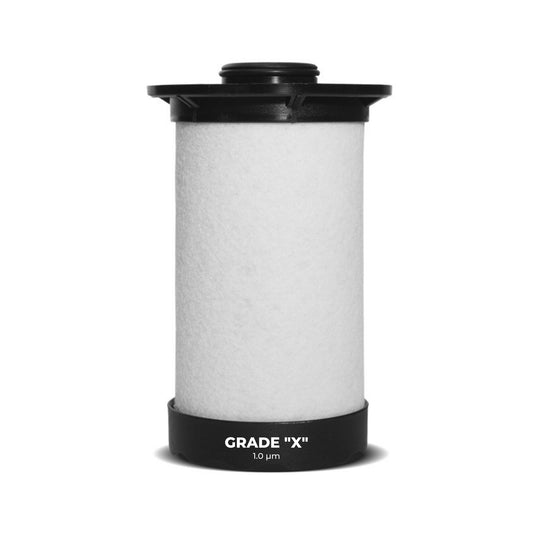
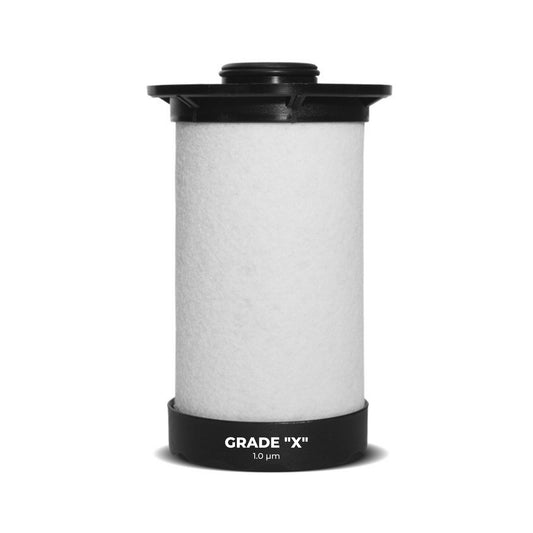
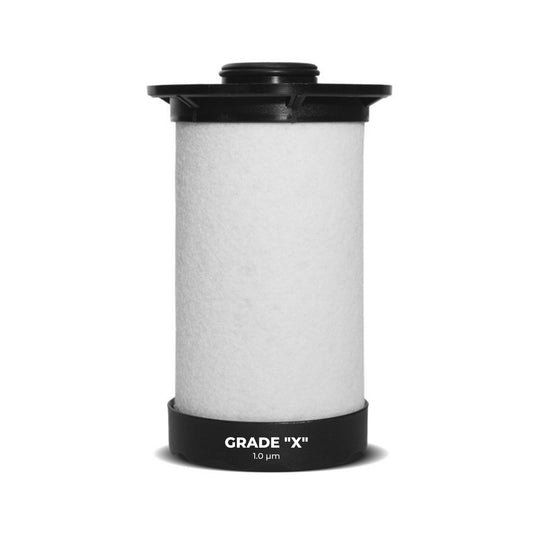
E-45-X - Fine Particles
340-200Regular price $89.00 CADRegular priceUnit price per -
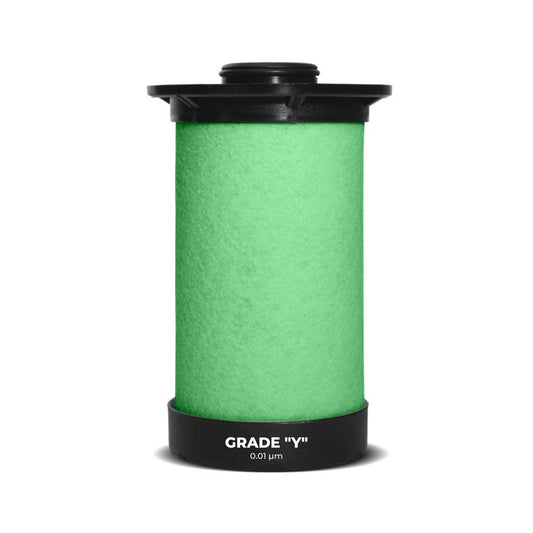
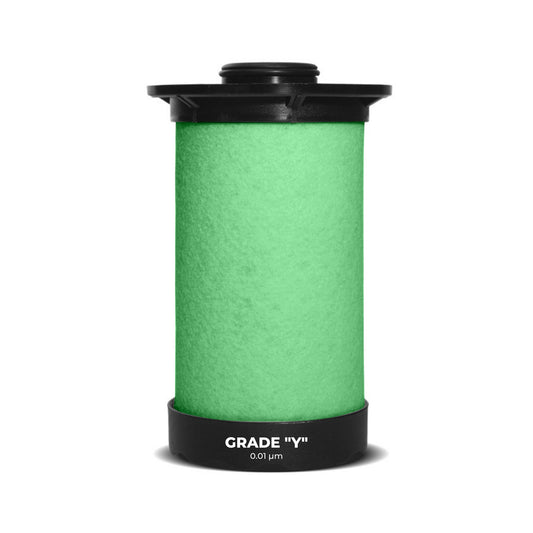
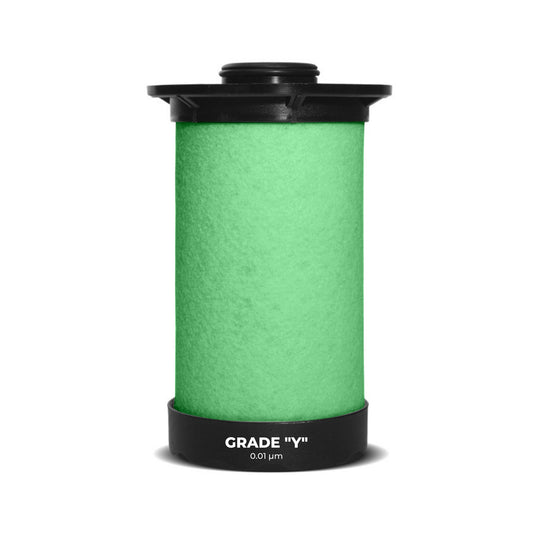
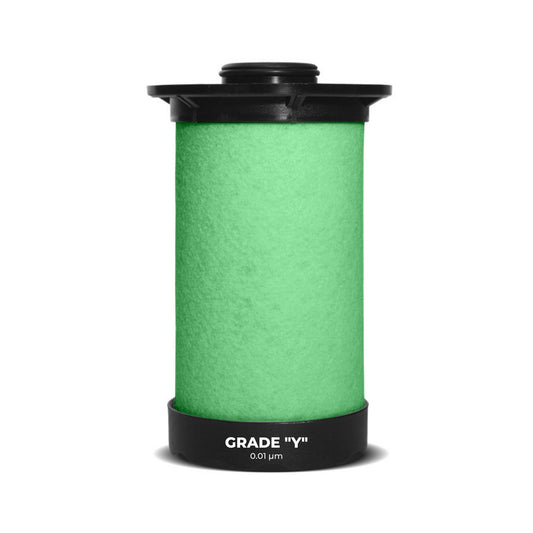
E-45-Y - Oil Aerosols
340-201Regular price $89.00 CADRegular priceUnit price per -
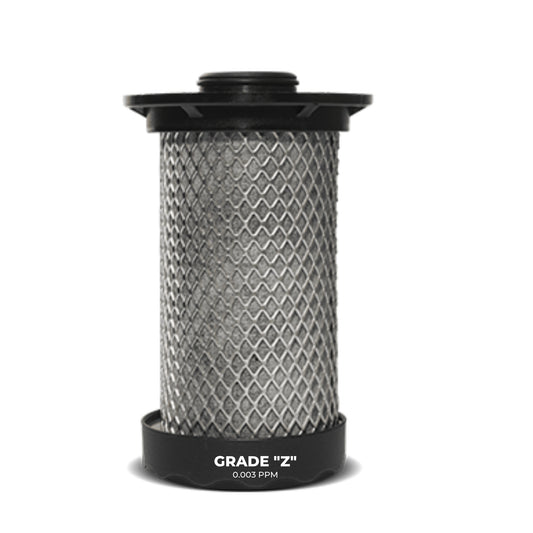
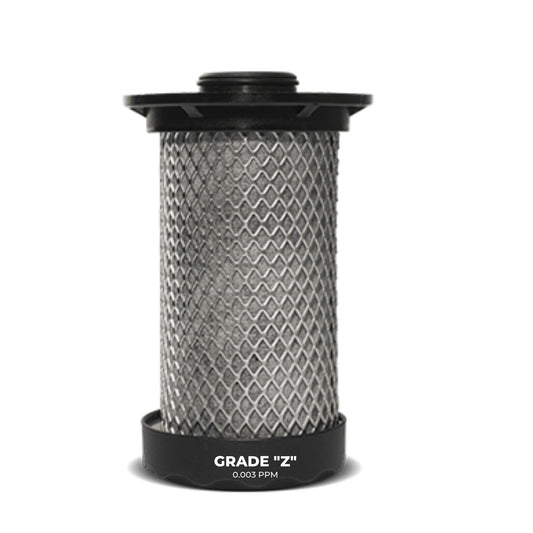
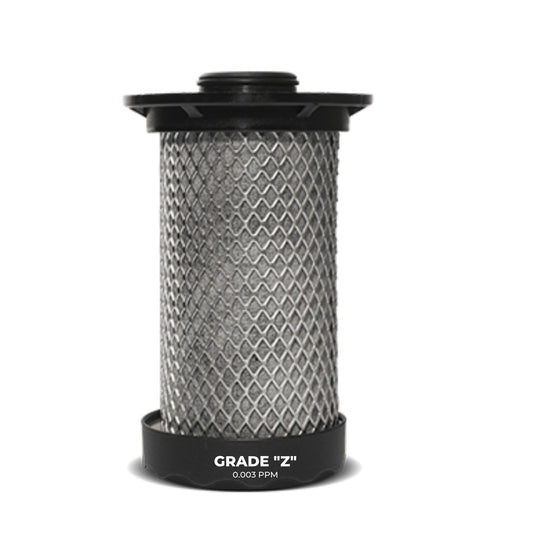
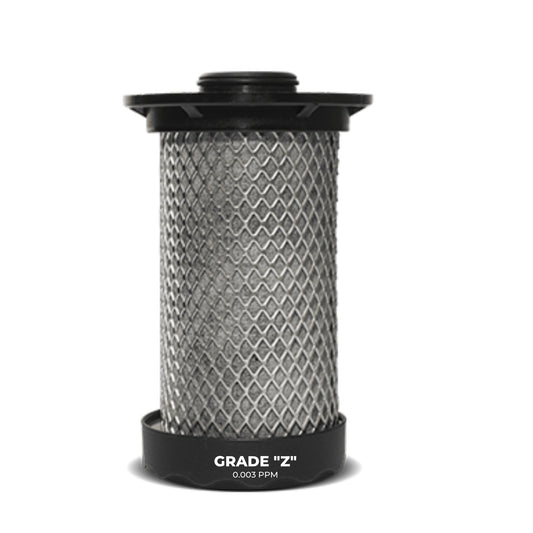
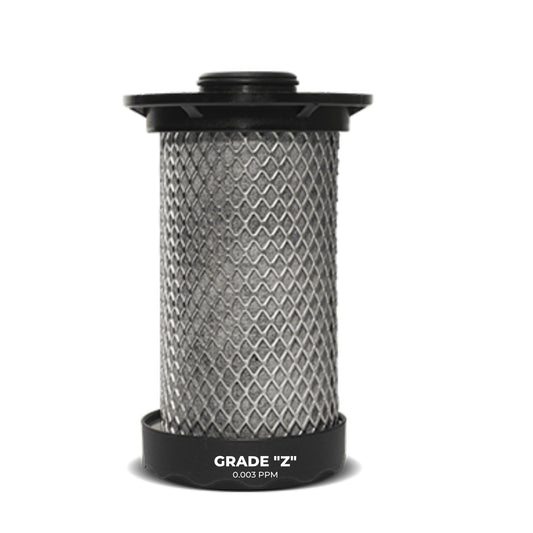
E-45-Z - Odor and Taste
340-202Regular price $89.00 CADRegular priceUnit price per -
E-85-X - Fine Particles
340-210Regular price $132.00 CADRegular priceUnit price per -
E-85-Y - Oil Aerosols
340-211Regular price $132.00 CADRegular priceUnit price per -
E-85-Z - Odor and Taste
340-212Regular price $132.00 CADRegular priceUnit price per -
E-185-X - Fine Particles
340-220Regular price $191.00 CADRegular priceUnit price per -
E-185-Z - Odor and Taste
340-222Regular price $191.00 CADRegular priceUnit price per -
E-185-Y - Oil Aerosols
340-221Regular price $191.00 CADRegular priceUnit price per -
E-375-X - Fine Particles
340-230Regular price $264.00 CADRegular priceUnit price per -
E-375-Y - Oil Aerosols
340-231Regular price $264.00 CADRegular priceUnit price per -
E-375-Z - Odor and Taste
340-232Regular price $264.00 CADRegular priceUnit price per -
E-515-X - Fine Particles
340-240Regular price $309.00 CADRegular priceUnit price per -
E-515-Y - Oil Aerosols
340-241Regular price $309.00 CADRegular priceUnit price per -
E-515-Z - Odor and Taste
340-242Regular price $309.00 CADRegular priceUnit price per -
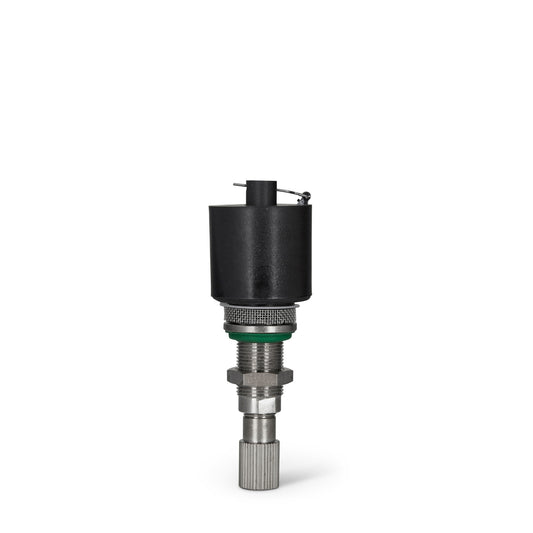
FSD-FD - Float Drain
330-200Regular price $134.00 CADRegular priceUnit price per -
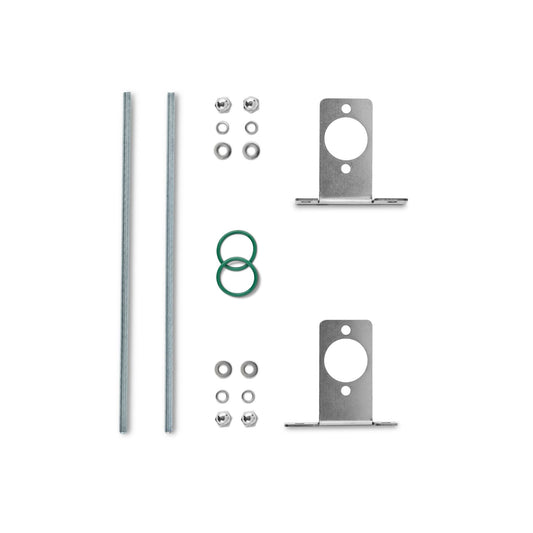
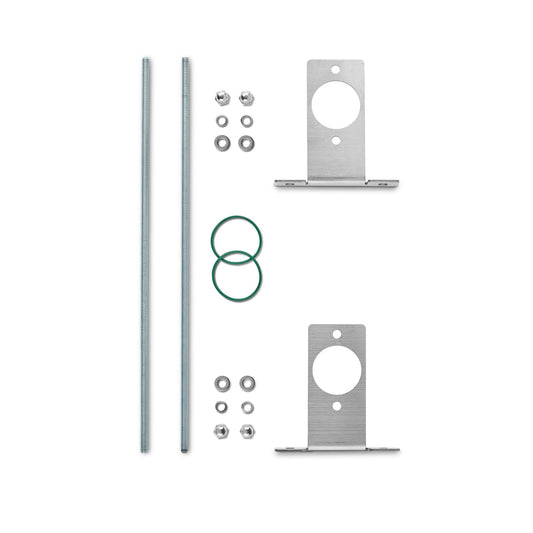
MBK-A Mounting bracket kit
330-255Regular price $83.00 CADRegular priceUnit price per -
MBK-B- Mounting bracket kit
330-275Regular price $102.00 CADRegular priceUnit price per -
DG-02 - Differential Pressure Gauge
340-141Regular price $137.00 CADRegular priceUnit price per

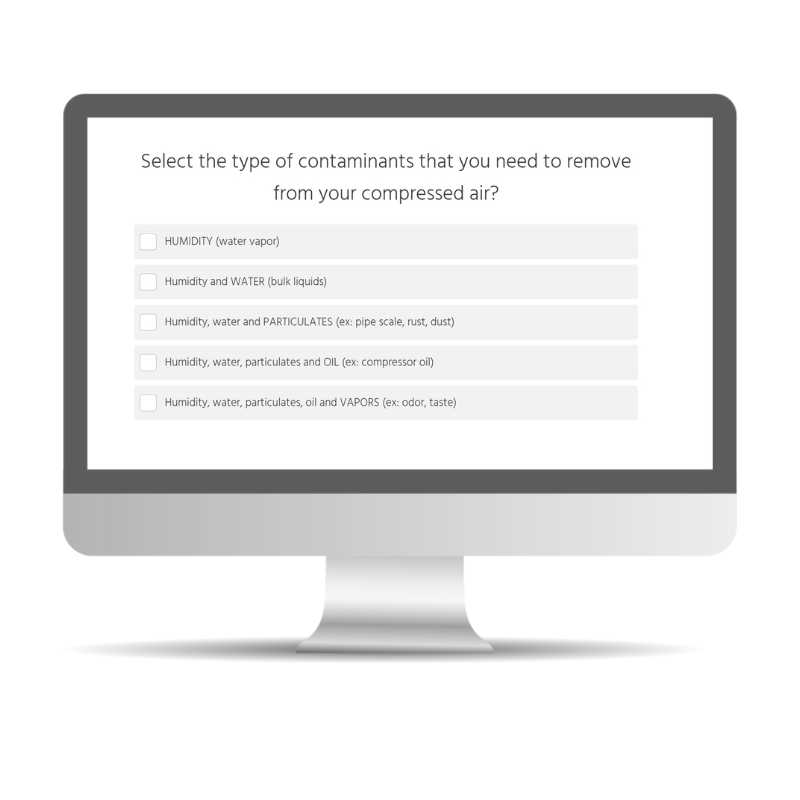
Get Help Choosing Your Desiccant Air Dryer
Take our quick online quiz — it only takes a minute to find the perfect Super-Dry system for your setup. Get personalized recommendations based on your air flow, pressure, and application.
Super-Dry SAF Series Compressed Air Filters Buying Guide

How to Choose the Right Compressed Air Filter
A compressed air filter protects your compressed air system by removing contaminants that can damage equipment, reduce product quality, and shorten the life of downstream air treatment components. Selecting the correct filter depends on airflow (SCFM), connection size, operating pressure, and the contaminants that must be removed.
What Should You Consider?
- Air Flow (SCFM): Select a filter rated at or above your compressor's maximum airflow.
- Connection Size: Match the filter port size to your piping whenever practical.
- Operating Pressure: Verify the filter is rated for your system pressure.
- Filter Grade: Choose Grade X, Y or Z based on the contaminants you need to remove.
- Future Expansion: Select the next larger model if additional airflow is expected.
Typical SAF Series Sizing Guide
| Maximum Air Flow | Recommended Model |
|---|---|
| Up to 45 SCFM | SAF-45 |
| Up to 85 SCFM | SAF-85 |
| Up to 185 SCFM | SAF-185 |
| Up to 375 SCFM | SAF-375 |
| Up to 515 SCFM | SAF-515 |
If your system operates continuously or future expansion is planned, choose the next larger model.